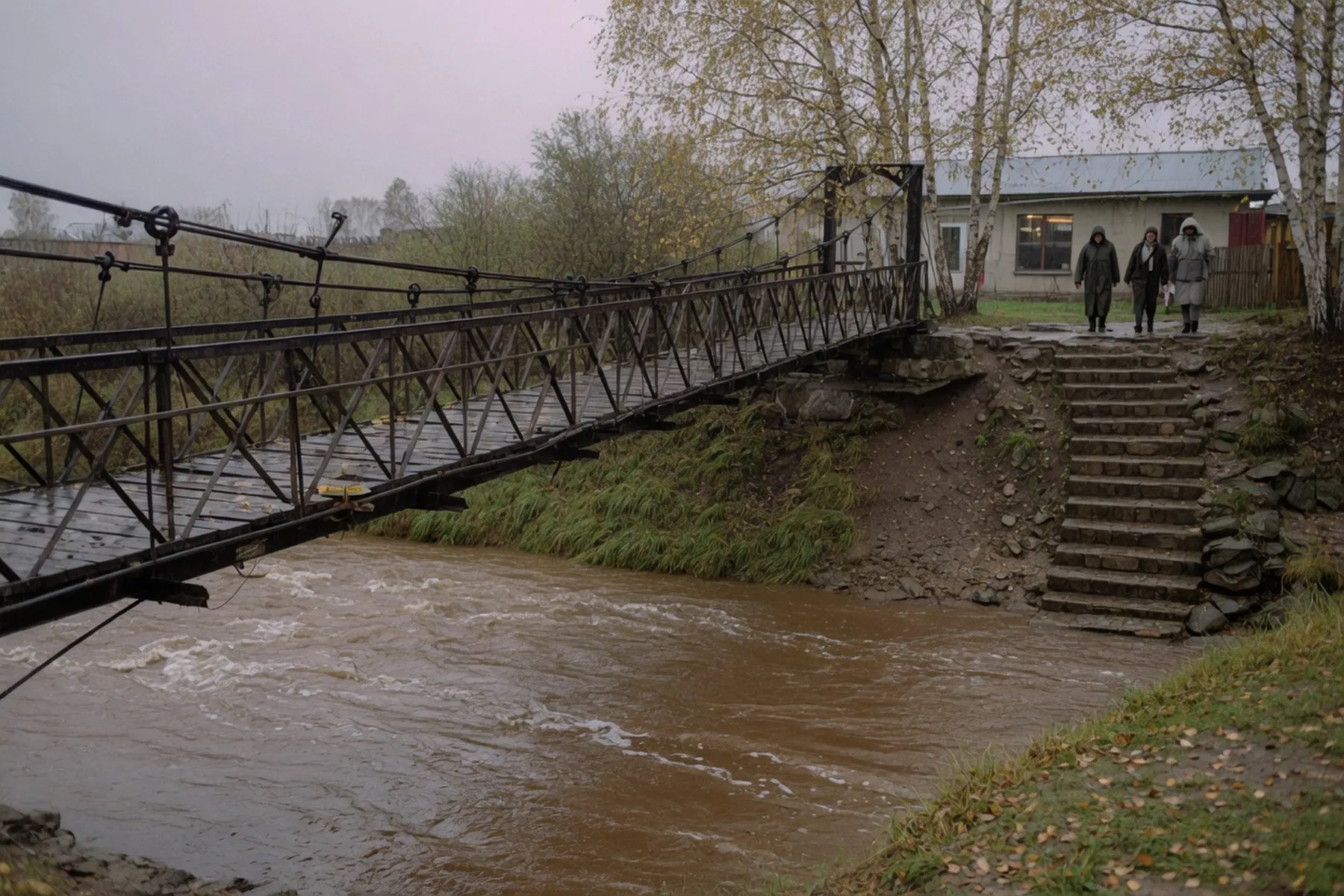
Pitlochry Festival Theatre is not in the centre of Pitlochry. It stands on the south bank of the River Tummel at Port-na-Craig, and most people reach it on foot across an iron suspension footbridge that has carried visitors for decades and picked up a local nickname along the way — the shoogly bridge. Cross the moving water and a very particular kind of theatre is on the far bank: a building in a garden beside a river, now seventy-five years old, which in 2026 changed the way it makes its year. This is the theatre by the river, and a good visit builds a whole day around it rather than treating it as a ticket to be collected and surrendered.
Pitlochry Festival Theatre sits at Port-na-Craig Road, Port-na-Craig, Pitlochry PH16 5DR, beside the River Tummel. Its fame began with summer repertory — an ensemble staging several plays in rotation so a visitor could stay a week and see a different show each night. The setting has always been part of the draw, and the approach is, too: the theatre’s own material describes the arrival over the suspension footbridge, and once you have crossed, the car park, foyer, auditorium, studio, café and shop all sit within a level, step-free circuit. 2026 is the theatre’s 75th anniversary season, and it is also the first season programmed by the actor Alan Cumming as Artistic Director, an appointment that has changed both the calendar and the character of the place.
The biggest practical change for a visitor is the calendar. The traditional model shut the theatre down in autumn; the 2026 season breaks with that and runs from May to December. The result is that October, November and December — the months when most third-party pages still describe Pitlochry’s theatre as a summer-only proposition — now carry full productions in both performance spaces, alongside the offsite work and the winter runs below. It also means a show can be paired with the autumn colour in the garden and the dark-river evenings in a way the old calendar never allowed.
The programme for the coming weeks runs, in order of dates, from “I’ll Be Seeing You” with Simon Russell Beale as Liberace (3–11 October, Auditorium) and “Happy Days” with Siobhán Redmond (3–10 October, Studio), through “CEILIDH”, an offsite immersive musical (7–17 October), Tony Roper’s “The Steamie” (20–24 October, Auditorium), and the Banff Mountain Film Festival’s Red and Blue programmes (29–30 October). Fred MacAulay’s “Good Evening!” follows on 30 October in the Studio, then “The Prime of Miss Jean Brodie”, a National Theatre of Scotland production with Gayle Rankin (4–7 November, reported sold out), “A Choral Cabaret” on 13 November, and the long winter run: “My Fair Lady” (21 November–31 December), directed by Maria Friedman with Alan Cumming as Higgins and Verity Power as Eliza, with accessible performances scheduled and no season passes. Dates move as productions are added and seats sell, so check Pitlochry Festival Theatre’s own what’s-on page before you plan a visit around any single performance.
Booking runs through the box office on 01796 484626, with phone lines open 10am to 4.30pm, and the venue itself open daily, roughly 9am to 5pm, with the café and bar extending later on performance days. Prices vary by production and by seat, so there is no single figure worth printing; the what’s-on page carries the number for the show you want, and the box office can talk through the options. Book ahead for the in-demand runs — “The Prime of Miss Jean Brodie” was already reported sold out as this was written — and remember that a matinee and an evening show can sit either side of everything else below.
Next to the theatre, the Explorers Garden at Pitlochry Festival Theatre is a seven-acre woodland garden about Scotland’s plant hunters, run in partnership with the Royal Botanic Garden Edinburgh and an RHS Partner Garden. Entry is free for the whole of 2026 as part of the anniversary year. It opens daily except Mondays, 10am to 5pm with last entry at 4pm, until 31 October, then closes for the winter — so the garden is a summer-and-autumn pairing rather than a winter one. Inside are three performance spaces, the Pagoda, the Pavilion and the Amphitheatre, and this year’s sculpture “Forged” by Rathobyres Forge is on show. The garden is mostly wheelchair-accessible but some paths are steep, dogs are welcome on a lead, and there is no smoking. Guided tours run on the last Thursday of the month from April to September.
You do not need a show ticket to eat here. The foyer café and restaurant, under Head Chef Zunaid Gangat, looks out over the River Tummel and serves a full menu all day, with an evening pre-theatre service on performance days. The kitchen is closed on Mondays, while the café and bar run 9am to 5pm and later on show nights. There is no booking — you turn up — and the menu runs from breakfast, soups, sandwiches, pies, pastries and small plates to pizzas from Pizza East of Edinburgh and sharing platters, with vegetarian, vegan and gluten-free options and a children’s menu, highchairs and baby-changing. The suppliers are named rather than hidden: MacDonald Brothers Butchers, Belhaven Smokehouse, Mark Murphy Produce and Blackthorn Sea Salt. Drinks include the theatre’s own PFT gin, inspired by the Explorers Garden, Wasted Degrees beer, and Blair Atholl and Aberfeldy 12-year-old whiskies.
The theatre is at Port-na-Craig, across the river from the town, and the approach is part of the experience: park free on site — roughly 130 spaces including nine designated Blue Badge bays — and walk the suspension footbridge over the Tummel. There is step-free, level access from the car park through the foyer to the auditorium, studio, café and shop, so the only climb is the one the bridge makes across the water. If you are staying in Pitlochry itself, the same bridge is the walking route from the Port-na-Craig side, and there is no need to drive at all.
The theatre takes access seriously and states it plainly. There are four wheelchair spaces in the Auditorium (rows W1–W4) and two in the Studio, an induction loop, and a rolling programme of audio-described, BSL-signed, captioned, relaxed and dementia-friendly performances. The Explorers Garden is mostly accessible but has some steep paths, so plan which routes suit rather than assuming the whole seven acres is level. For any specific performance’s access provision, ask the box office when you book.
The theatre sits a few minutes’ walk along the river path from the Pitlochry Fish Ladder and the Pitlochry Dam Visitor Centre, and the two pair naturally into one riverside afternoon. The SSE-run centre is free, covers the hydroelectric heritage, the salmon lifecycle and renewable energy, and has a café and shop with views over the dam and live CCTV of the fish ladder. The ladder itself — 310 metres, 34 chambers, in place since the early 1950s — has passed more than 250,000 salmon since 1952, with the best viewing from April to September along the public path that runs beside it. The underwater viewing chamber has been closed since 2019, and a new outdoor observation point was added by mid-2026. Winter hours are shorter than summer and the centre closes Mondays and Tuesdays, so check pitlochrydam.com for current hours before you walk over.
Order the day around the performance, not the other way round. A matinee: cross the bridge for the garden when it opens at 10am, eat in the café, take in the show, then walk the river path to the dam centre for the ladder and the café view before the light goes. An evening show inverts it: the dam and fish ladder in the afternoon, a late lunch or early supper in the theatre café, the garden before its 4pm last entry, then the performance. The whole sequence is a stretch of level riverside walking, so the day stays on foot from the car park to the curtain call.
The Explorers Garden shuts on 31 October, so the full theatre-and-garden day only exists until then; after that the draw is the theatre itself and the festive run. “My Fair Lady” plays 21 November to 31 December, which makes December the strongest month for a pre-Christmas performance and a meal by the river. The quieter weeks are October’s shoulders and the days between productions, when tickets are easier to come by and the café is calmer. Beyond the New Year, two annual fixtures return — Out in the Hills, the LGBTQIA+ festival in January, and the Winter Words literary festival in February, now in its 22nd year — and both are worth watching for; check the theatre’s site for dates when they are announced. Whenever you come, the bridge gives a little underfoot, the river moves beneath it, and the theatre on the far bank has never offered so much of its year.